
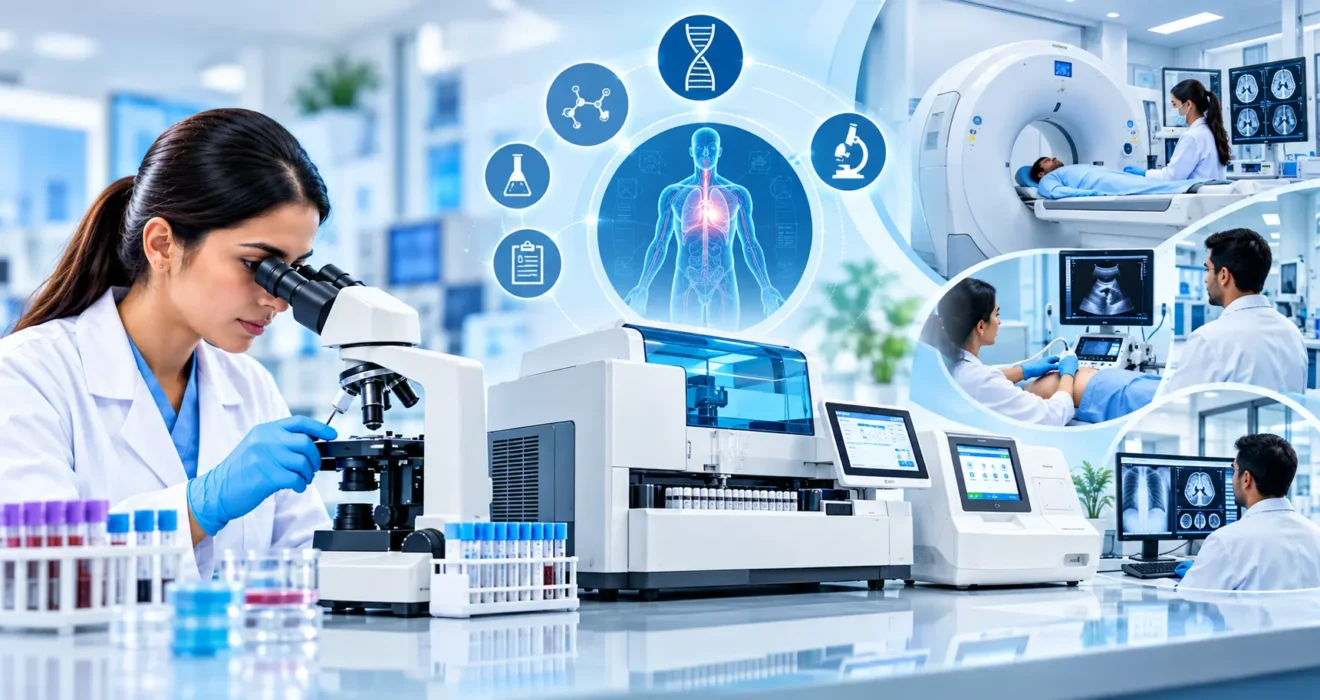
How Advanced Diagnostic Equipment Is Transforming Modern Healthcare
Introduction
Modern healthcare depends on accurate diagnosis, timely treatment, and reliable medical technology. As hospitals and diagnostic centres handle increasing numbers of patients, advanced diagnostic equipment has become an essential part of everyday healthcare operations. From blood testing to biochemical analysis, diagnostic instruments help healthcare professionals understand medical conditions and make informed clinical decisions.
Choosing the right diagnostic equipment is not simply about purchasing a machine. Healthcare providers must consider testing requirements, laboratory workload, operating costs, technical support, and long-term reliability. Understanding these factors helps hospitals and laboratories build efficient diagnostic facilities.
What Is Diagnostic Equipment?
Diagnostic equipment includes medical instruments and systems used to identify, evaluate, and monitor health conditions. These devices support healthcare professionals by providing information that assists in clinical assessment.
Common examples include:
- Hematology analyzers: Used to measure and analyze blood components.
- Biochemistry analyzers: Used to measure substances such as glucose, enzymes, and electrolytes, depending on the system.
- Immunoassay analyzers: Used to detect specific substances, including hormones and certain disease markers.
- Molecular diagnostic systems: Used to detect genetic material and support the identification of certain infections.
- Point-of-care testing devices: Provide selected diagnostic results near the patient, depending on the test.
Each category serves different clinical and laboratory requirements. Therefore, equipment selection should begin with a clear understanding of the tests a facility needs to perform.
Benefits of Advanced Diagnostic Technology
1. Improved Diagnostic Efficiency
Automated diagnostic systems can process multiple samples with less manual intervention than many traditional methods. This can help laboratories manage routine testing more efficiently and reduce repetitive tasks for laboratory staff.
Actual performance depends on the instrument, test menu, sample volume, and laboratory workflow.
2. Consistent Testing Processes
Standardized testing procedures help laboratories improve consistency. Equipment that supports appropriate calibration, quality-control checks, and documented procedures can contribute to dependable laboratory operations.
Healthcare facilities should follow the manufacturer’s instructions and applicable laboratory quality standards.
3. Better Workflow Management
Modern analyzers may include automated sample handling, software integration, and digital result management. These capabilities can reduce manual data entry and help organize laboratory workflows.
Before purchasing a system, laboratories should confirm that its connectivity features are compatible with their existing laboratory information systems.
4. Support for Timely Clinical Decisions
When diagnostic tests are performed efficiently and results are reviewed promptly, healthcare professionals can use the findings to support treatment decisions. Faster testing alone, however, does not guarantee faster treatment; sample collection, interpretation, and clinical workflows also matter.
How to Choose the Right Diagnostic Equipment
Selecting equipment requires balancing technical requirements with practical operating needs.
Consider these important factors:
- Testing requirements: Identify the tests and parameters your facility needs.
- Sample volume: Estimate daily and peak testing workloads.
- Accuracy and precision: Review validated performance specifications and quality-control requirements.
- Operating costs: Evaluate reagents, consumables, maintenance, and calibration needs.
- Technical support: Understand service availability, training, and troubleshooting arrangements.
- Space requirements: Confirm installation dimensions, utilities, and environmental conditions.
- Regulatory compliance: Check applicable approvals and requirements for the intended use.
Comparing these factors helps procurement teams select equipment that suits their facility instead of choosing solely on purchase price.
The Importance of Maintenance and Quality Control
Even advanced equipment requires proper maintenance. Regular cleaning, calibration where required, preventive servicing, and quality-control testing help laboratories maintain dependable operations.
Laboratory teams should establish maintenance schedules, maintain service records, and train staff to operate instruments correctly. They should also monitor warning messages and address performance issues according to manufacturer guidance.
A planned maintenance approach can help reduce unexpected downtime and support the continuity of laboratory services.
The Role of a Reliable Healthcare Supplier
Healthcare suppliers help hospitals and laboratories identify suitable equipment, consumables, and diagnostic products. A dependable supplier should provide clear product information and communicate availability, specifications, warranty terms, and after-sales support arrangements.
Before finalizing a purchase, healthcare buyers should ask for relevant technical documentation, installation requirements, training details, and information about compatible reagents and accessories.
Healplex aims to serve healthcare and diagnostic requirements through its healthcare product offerings. Buyers can explore suitable products and enquire about availability according to their facility’s needs.
Conclusion
Advanced diagnostic equipment plays an important role in modern healthcare by supporting efficient testing, standardized workflows, and informed clinical decisions. Choosing the right system requires careful evaluation of performance, workload, operating costs, maintenance, and supplier support.
By making informed purchasing decisions and following appropriate laboratory quality practices, healthcare facilities can build more effective diagnostic operations and better support their patients’ needs.